

Breed
Yorkshire Terrier Puppy
Currently Unavailable
Small Breed
Get Notified
Want a Yorkshire Terrier Puppy?
Be the first to know when puppies become available
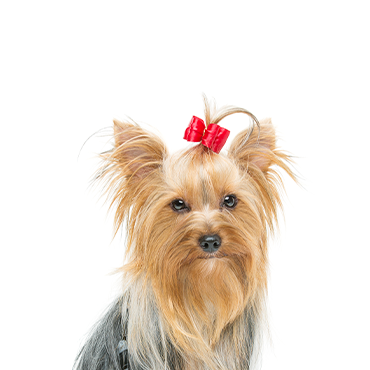
There's no hating the 'Yorkie' as it's fondly called. Not only is this breed stylish and confident for its size, but it also has the glamorous appeal to warm every heart thanks to its long silky coat and perky topknot. There are few hassles with it because it can be taken just about anywhere thus making it the best option for most owners.
Petland is honored to offer the highest quality Yorkshire Terrier puppies for sale who will be an instant in your family.
Similar Breeds With Puppies Available

About Yorkshire Terrier Puppy

Find the Perfect Yorkshire Terrier Puppy for Your Family
Yorkshire Terrier puppies are vibrant, intelligent, and often feisty companions despite their small size. They are bold, confident, and highly inquisitive, eager to explore and become the center of attention. Don’t let their size fool you; they possess a brave, protective instinct.
These pups are highly intelligent and quick learners, though their independent streak requires consistent positive reinforcement in training. Early socialization is crucial. Potty training needs patience and routine.
Energy & Exercise
Energy Level
3/5
Exercise Minutes/Day
60 min/day
Mental Stimulation Needs
3/5
Playfulness
3/5
Living Environment
Apartment Friendly
3/5
Tolerates Being Alone
3/5
Cold Tolerance
3/5
Heat Tolerance
3/5
Yard Required
No
Barking Tendency
3/5
Family & Social
Good With Young Kids
3/5
Good With Older Kids
3/5
Good With Other Dogs
3/5
Good With Cats
3/5
Good With Strangers
3/5
Affection Level
3/5
Care & Grooming
Shedding Level
3/5
Hypoallergenic Friendly
No
Grooming Frequency
Weekly
Drooling Level
3/5
Trainability & Temperament
Trainability
3/5
Intelligence
3/5
Independence (vs Clinginess)
3/5
Prey Drive
3/5
Stubbornness
3/5
Territorial
3/5
Purpose Aptitude
Protection Aptitude
3/5
Therapy Aptitude
3/5
Running Partner Aptitude
3/5
Hiking Aptitude
3/5
First-Time Owner Friendly
3/5
Senior Owner Friendly
3/5
Learn More About Yorkshire Terrier Puppy
The Yorkshire Terrier originated in the mid-19th century in Yorkshire, England. They were developed by Scottish weavers who migrated to England and brought with them various small terriers, including the Clydesdale Terrier and the Paisley Terrier. These dogs were initially bred to be working-class dogs, primarily used to catch rats and other vermin in textile mills and coal mines. Over time, selective breeding focused on their distinctive long, silky coat and compact size, transforming them from working dogs into fashionable Victorian lapdogs and show dogs. The breed was officially recognized by the American Kennel Club (AKC) in 1885.
Despite their small size, Yorkshire Terriers possess a big personality. They are known for being spunky, confident, and intelligent, often displaying a “terrier attitude” that belies their delicate appearance. They are loyal and affectionate with their families, often forming strong bonds, but can be wary or even feisty with strangers and other dogs if not properly socialized. Yorkies are very alert and can be vocal, making them good little watchdogs. They thrive on attention and being part of family activities.
The most distinctive feature of the Yorkshire Terrier is its long, straight, silky coat, which ideally hangs evenly down each side of the body, parted on the head and extending to the tail. The coat color is typically a steel blue on the body and tail, and a rich, bright tan on the head and chest. Puppies are born black and tan, and their adult colors gradually develop. They have a small, compact body, a relatively flat head, dark, intelligent eyes, and small, V-shaped ears that are often carried erect.
Yorkshire Terriers require consistent care, especially regarding their coat. Due to their long, fine hair, daily brushing is essential to prevent mats and tangles. Many owners opt for a shorter “puppy cut” for easier maintenance. Regular bathing (weekly or bi-weekly) is also necessary. Their teeth are prone to dental issues, so daily dental care is crucial. Small breed-specific dog food is recommended, and careful monitoring of food intake is important to prevent obesity. They thrive on attention and interactive play.
Yorkshire Terriers generally enjoy a long lifespan, typically ranging from 11 to 15 years, with many living well beyond this range when provided with excellent care, a balanced diet, and regular veterinary check-ups.
Ratters to Royalty: Originally bred in 19th-century industrial England to hunt rats in mills, Yorkies quickly transitioned from working-class dogs to high-fashion companions for Victorian ladies due to their elegant appearance.
Color Transformation: Yorkshire Terrier puppies are born black and tan. Their iconic steel blue and bright tan adult colors gradually develop over the first year or two of their lives, making their final coat a delightful surprise.
Tiny Heroes: A famous Yorkie named Smoky served in World War II, flying combat missions and providing emotional support to soldiers in hospitals, demonstrating their bravery and capacity beyond just being lapdogs.
Frequently Asked Questions
Dogs love bones and this breed is no different. However, you shouldn't overdo it especially with bones they can't easily chew on.
They are loyal dogs and enjoy the attention you give them. Make sure they get the exercise they need and don't stuff them with food. For their size, they don't eat much. Frequently smell their breath and be inquisitive when they bark a lot.
Of course, they are. They love company and have no issues staying indoors. Your kids would love them as they are loving and devoted; t to mention playful.
They have a fabulous coat and knot but are remarkably not known to shed a lot although they do have almost the same cycle as other dogs for that. Their shedding hair gets in the mix and you won't notice until you groom through combing and brushing.
The Yorkshire Terrier has a life expectancy of between twelve to sixteen years.
They are known to develop issues with their teeth so you should feed them with something dry or a bone to keep them strong. They are also prone to bronchitis, slipped stifle, indigestion and eye infections.
The Yorkshire Terrier can grow to reach heights of six to seven inches and weigh around seven pounds.
Yes. Even though they mostly have hair, the possibility of you having an allergic reaction to them is not ruled out.
It's okay to spray them but you should be well aware of the attendant benefits and problems that come with doing so. For example, urinary incontinence may develop in females but the benefits include eliminating risks of ovarian and mammary cancer.
Both could cause terrible injuries however, with the right harness, your Yorkie will be comfortable and safe.


Posted on Google 

TaNiyla S
 Trustindex verifies that the original source of the review is Google.
 Mikayla was great! The experience was very warming and friendly.
Posted on Google

Erika T
Trustindex verifies that the original source of the review is Google. Always great!
Posted on Google

Victoria L
Trustindex verifies that the original source of the review is Google. Vickie is adorable & perfect for Gus! Thank you Kaitlyn!
Posted on Google

Kristen R
Trustindex verifies that the original source of the review is Google. Great place thanks
Posted on Google

Zoey S
Trustindex verifies that the original source of the review is Google. Great service!!! Friendly staff, loved it!!
Posted on Google

Angel O
Trustindex verifies that the original source of the review is Google. Amazing experience
Posted on Google

Nin M
Trustindex verifies that the original source of the review is Google. I had an amazing expirence
Posted on Google

Genesis R
Trustindex verifies that the original source of the review is Google. They were really kind and the dogs were cute
Posted on Google

Abby F
Trustindex verifies that the original source of the review is Google. great plave
Posted on Google

Ok Q
Trustindex verifies that the original source of the review is Google. great place
